

What are the challenges of using a manually control valve in a multi - phase flow system?
May 21, 2026
Hey there! As a supplier of manually control valves, I've been in the thick of it when it comes to the ins and outs of these valves in multi - phase flow systems. Multi - phase flow systems are those where you've got a mix of different states of matter flowing together, like gas, liquid, and sometimes solid particles. It's a complex scenario, and using manually control valves in such systems comes with its fair share of challenges.

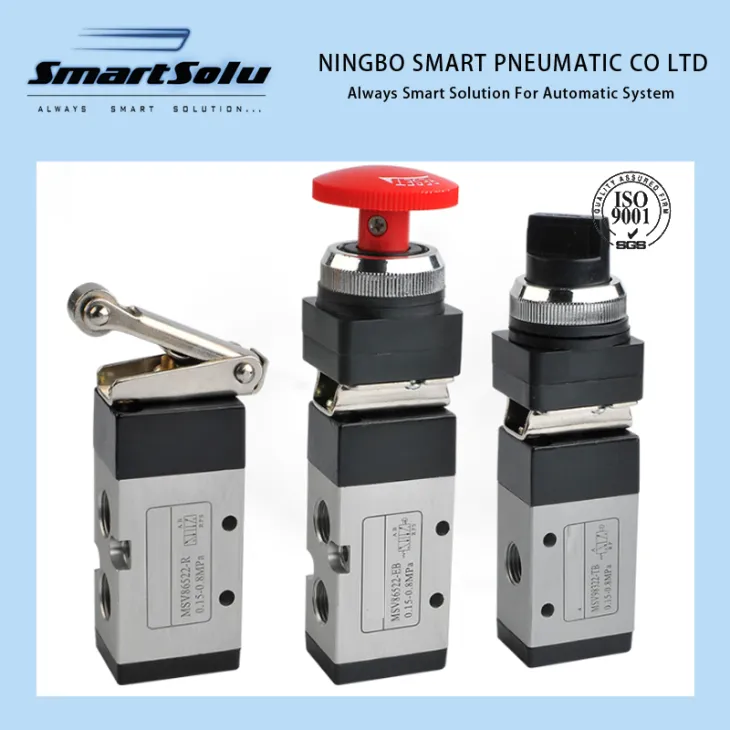
Flow Regulation Challenges
One of the biggest headaches with manually control valves in multi - phase flow is getting the flow rate just right. In a single - phase system, it's relatively straightforward. You twist the valve, and you can pretty much predict how the flow will change. But in a multi - phase system, the different phases have different properties. For example, gas is much more compressible than liquid. So, when you turn the valve to adjust the flow, the gas phase might react differently than the liquid phase.
Let's say you're trying to increase the overall flow rate. You open the valve a bit, and the gas might rush through quickly because it's so compressible. Meanwhile, the liquid might not increase in flow as much, or it could even experience a decrease in pressure due to the gas taking up more space in the pipeline. This imbalance can lead to issues like slug flow, where large chunks of liquid are pushed through the system in an irregular manner. Slug flow can cause mechanical stress on the pipeline and other equipment, and it can also mess up the flow measurement and control downstream.
Another problem related to flow regulation is that the composition of the multi - phase flow can change over time. Maybe the source of the flow is producing more gas or less liquid. With a manually control valve, it's up to an operator to constantly monitor and adjust the valve to keep the flow stable. This is not only time - consuming but also prone to human error. An operator might not notice a gradual change in the flow composition until it's too late, and the system starts to experience problems.
Wear and Tear
The different phases in a multi - phase flow can cause significant wear and tear on manually control valves. The solid particles, if present, can act like sandpaper, scraping away at the valve's internal components. Even without solid particles, the high - velocity flow of gas and liquid can cause erosion. For instance, the liquid phase can create cavitation, which is the formation and collapse of vapor bubbles in the valve. When these bubbles collapse, they generate high - pressure shockwaves that can damage the valve's surface.
The wear and tear not only reduces the lifespan of the valve but also affects its performance. As the valve components wear down, the valve might not be able to close or open properly, leading to leaks or inaccurate flow control. This can be a real pain in the neck, especially in industries where safety and efficiency are crucial, like oil and gas or chemical processing.
Maintenance and Monitoring
Maintaining manually control valves in multi - phase flow systems is a real challenge. Regular maintenance is essential to keep the valves in good working condition, but it's not always easy. The valves are often located in hard - to - reach places, like deep underground or in high - pressure pipelines. Getting to the valve for inspection and maintenance can be time - consuming and expensive.
Monitoring the valve's performance is also difficult. In a multi - phase flow system, it's not enough to just measure the overall flow rate. You need to know the flow rates of each phase, the pressure of each phase, and the temperature. This requires a complex network of sensors, and even then, the data can be hard to interpret. For example, a change in the overall pressure might be due to a change in the gas phase, the liquid phase, or both. Figuring out the root cause of the problem is a real puzzle, and it takes a lot of expertise.
Compatibility with System Requirements
Multi - phase flow systems have specific requirements, and manually control valves need to be compatible with these requirements. For example, some systems require a valve that can handle high - pressure differentials, while others need a valve that can operate at extreme temperatures. Finding a manually control valve that meets all these requirements can be a challenge.
Moreover, the valve's design needs to be suitable for the multi - phase flow. There are different types of manually control valves, such as the Miniature Pressure Reducing Valve, Mechanical Valve, and Foot Valve. Each type has its own advantages and disadvantages when it comes to multi - phase flow. For example, a foot valve is good for preventing backflow, but it might not be the best choice for precise flow control in a multi - phase system.
Cost - Effectiveness
When it comes to cost - effectiveness, using manually control valves in multi - phase flow systems can be a double - edged sword. On one hand, manually control valves are generally cheaper to purchase compared to automated valves. But on the other hand, the cost of maintenance, monitoring, and the potential for system downtime due to valve - related problems can add up quickly.
The need for constant operator attention also means higher labor costs. And if the valve fails and causes a shutdown in the system, the loss of production can be extremely costly. So, while the initial investment in a manually control valve might be low, the long - term costs need to be carefully considered.
Conclusion
In conclusion, using manually control valves in multi - phase flow systems presents a whole host of challenges, from flow regulation and wear and tear to maintenance, compatibility, and cost - effectiveness. But don't get me wrong, these valves still have their place in many multi - phase flow applications. They're simple, reliable in some cases, and can be a cost - effective solution if used correctly.
If you're in the market for manually control valves for your multi - phase flow system, I'd be more than happy to talk to you about your specific needs. Whether you're dealing with a small - scale operation or a large - scale industrial project, we've got the expertise and the range of products to help you find the right valve. Don't hesitate to reach out and start a conversation about your valve requirements.
References
- Smith, J. (2018). Multi - Phase Flow Handbook. Elsevier.
- Johnson, R. (2019). Valve Technology in Industrial Processes. Wiley.