

How do air treatment units work?
May 25, 2026
Hey there! As a supplier of Air Treatment Units, I'm super stoked to break down how these nifty devices work. Air treatment units are like the unsung heroes of many industrial and commercial settings. They play a crucial role in ensuring that the air we use in our equipment is clean, dry, and at the right pressure.
Let's start with the basics. The main goal of an air treatment unit is to take in raw, often dirty and humid air, and transform it into high - quality air that can be used safely in various applications. This is achieved through a series of processes that typically involve filtration, regulation of pressure, and sometimes lubrication.
Filtration Process
The first step in most air treatment units is filtration. Air in the environment is full of all sorts of gunk - dust particles, dirt, and even some tiny contaminants that you can't see with the naked eye. If this dirty air is fed into sensitive equipment, it can cause all kinds of problems, like clogging up valves or wearing down moving parts.
That's where filters come in. Filters are designed to trap these unwanted particles as the air passes through them. There are different types of filters, each with its own level of filtration efficiency. For instance, a pre - filter might catch the larger particles, while a finer filter can handle the smaller ones.
One of our popular products in the filtration category is the Filter FRL (Filter+Regulator+Lubricator). This nifty unit combines a filter, a pressure regulator, and a lubricator all in one. The filter part of it does an amazing job of removing contaminants from the air, ensuring that only clean air moves on to the next stage.
Pressure Regulation
After the air is filtered, it's time to regulate its pressure. Different applications require air at specific pressures. If the pressure is too high, it can damage equipment; if it's too low, the equipment might not function properly.
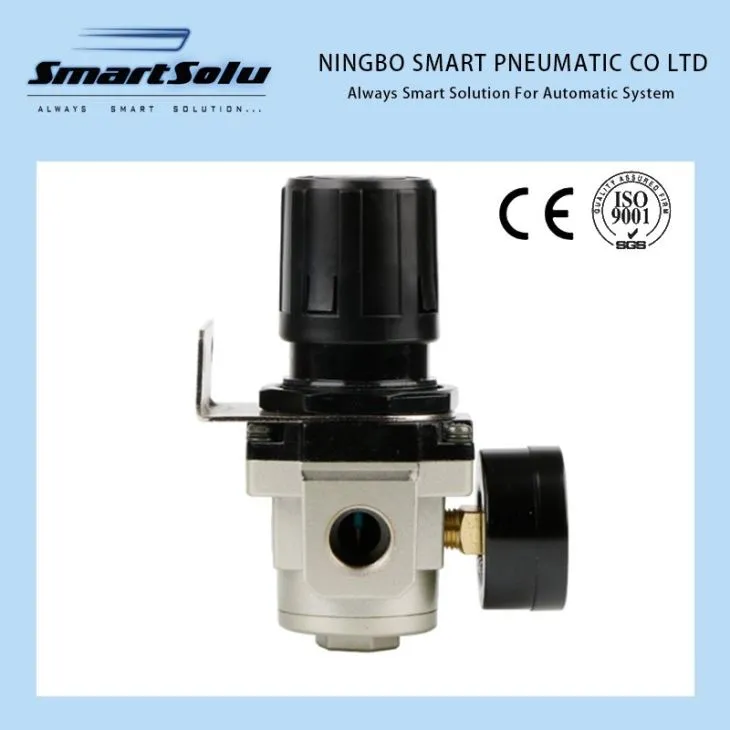
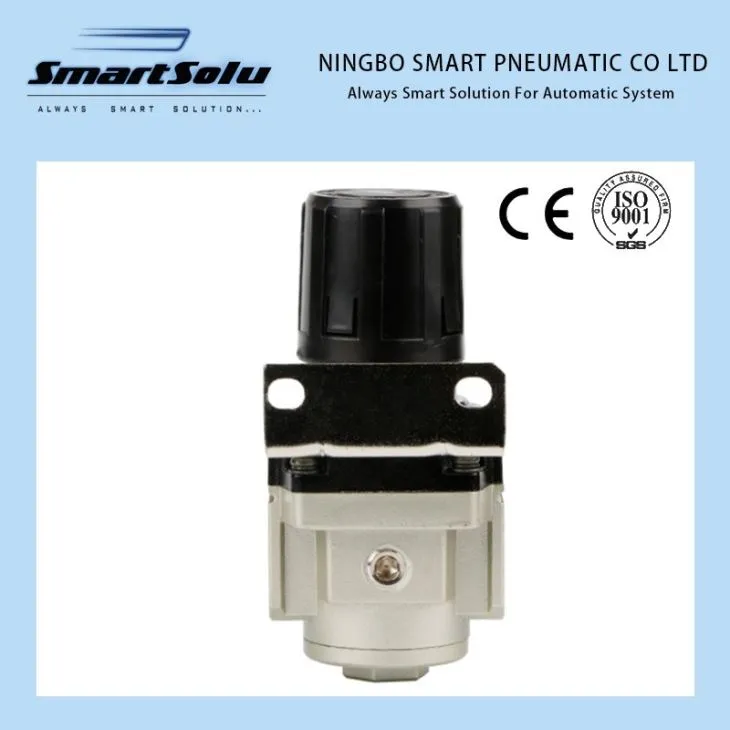
A pressure regulator is the key component here. It works by adjusting the flow of air to maintain a constant output pressure, no matter what the input pressure might be. For example, if the incoming air has a very high and fluctuating pressure, the regulator will reduce it to a stable, usable level.
Our AR Series Air Source Units FRL Combination is a great example of a product that excels in pressure regulation. It not only filters the air but also precisely controls the pressure, making it suitable for a wide range of applications.
Lubrication (Optional but Useful)
In some cases, especially when dealing with pneumatic equipment that has moving parts, lubrication is necessary. Lubricating the air helps to reduce friction between the moving components, which in turn extends the lifespan of the equipment and improves its performance.
A lubricator in an air treatment unit adds a fine mist of oil to the clean, regulated air. This oil mist then travels with the air and coats the internal parts of the equipment, providing that much - needed lubrication.
High - Pressure Air Treatment
For applications that require high - pressure air, we have specialized units like the Stainless Steel QTYHSeries High Pressure Air Treatment Units. These units are built to handle the challenges of high - pressure environments.
High - pressure air treatment involves additional considerations. The filters and regulators need to be more robust to withstand the higher forces. Also, the materials used in the construction of these units are often more durable, like stainless steel, to prevent corrosion and ensure long - term reliability.
How It All Works Together
Now, let's see how all these components work together in a typical air treatment unit. The raw air enters the unit through an inlet. First, it passes through the filter section. The filter traps all the dirt, dust, and other contaminants, leaving behind clean air.
This clean air then moves on to the pressure regulator. The regulator senses the pressure of the incoming air and adjusts its internal mechanisms to maintain a set output pressure. If the pressure needs to be reduced, the regulator restricts the flow of air; if it's too low, it allows more air to pass through.
If the unit has a lubricator, the clean, regulated air then passes through the lubrication chamber. Here, a small amount of oil is introduced into the air stream in the form of a fine mist.
Finally, the treated air exits the unit through an outlet and is ready to be used in the intended application, whether it's powering a pneumatic tool, operating a control valve, or any other air - powered system.
Why Air Treatment Units Are So Important
You might be wondering why all this air treatment is necessary. Well, think about it this way. If you don't treat the air, the equipment you're using will have a much shorter lifespan. The dirt and contaminants in the air can cause abrasion, corrosion, and blockages. This means more frequent breakdowns, higher maintenance costs, and lost productivity.
On the other hand, by using a proper air treatment unit, you can ensure that your equipment runs smoothly and efficiently. It also helps to improve the quality of the end - product in manufacturing processes. For example, in a painting application, clean and dry air is essential for a smooth and even finish.
Contact Us for Your Air Treatment Needs
If you're in the market for an air treatment unit, we've got you covered. Whether you need a simple filter - regulator combination or a high - pressure, heavy - duty unit, we have a wide range of products to suit your requirements.
We understand that every application is unique, and we're here to help you find the perfect solution. Our team of experts can provide you with all the information you need, from product specifications to installation and maintenance tips.
So, don't hesitate to reach out to us for a consultation. We're eager to work with you to ensure that your air - powered systems are running at their best.
References
- Industrial Pneumatics Handbook
- Air Treatment Technology Manual