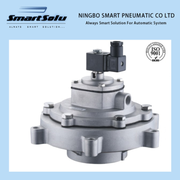
What is the difference between QGB cylinder and ordinary cylinder?
May 14, 2021
QGB cylinder as a kind of heavy cylinder, because the thin cylinder can not carry out the operation of large thrust and large output, in order to make up for the shortage of pneumatic technology in the heavy industry, QGB cylinder came into being, together with SC, JB cylinders are collectively referred to as heavy cylinder. It is widely used in metallurgy, chemical industry, coal mine and other heavy industries.
Why QGB cylinder? QGB cylinder is different from ordinary cylinder,
1. QGB cylinder diameter range: 32mm-250mm, ordinary cylinder diameter: 10mm-100mm, QGB cylinder diameter is generally large, the standard range of cylinder diameter is 250mm, from the cylinder diameter value to ensure the output of large output.
2. Different cylinder materials. QGB cylinder generally has two kinds of materials, one is that the front and rear end covers and cylinder barrel are made of all iron, the other is that the front and rear end covers and cylinder barrel are made of aluminum alloy, and the ordinary cylinder has three kinds of materials, which can be made of stainless steel, aluminum alloy and cast iron according to customer demand.
3. Different application scope. Each kind of cylinder application is different, can adapt to the needs of different customers, thin cylinder can be installed in the narrow workpiece, finger cylinder is used in the place that needs manual function, and qgb is used in the heavy industry environment with large output force and large thrust, when the force of ordinary cylinder can not reach or the load capacity is not enough, QGB cylinder will be used.
Advantages of our QGB cylinder:
1. Using aeromodel cylinder: the aeromodel cylinder does not deform, and the large diameter cylinder is consistent up to now, and the concentricity tolerance is small.
2. Extrusion after the aircraft model of aluminum alloy: according to the national production standards, the aluminum alloy made by heavy industry, after heating and overall flow, is thinner and more corrosion-resistant.
3. Large load and thrust. All iron cylinder can bear large load force and is not easy to deform. In harsh environment, it can stably output large thrust to ensure the normal operation of the whole pneumatic components in heavy pressure environment.